- Home
- About Us
- Products
- Milk Processing Plant
- Milk Storage Tank
- Milk Chilling Plant
- Can Scrubber Machine
- Kadhai Machine
- Dairy Plant
- Butter Churner
- Pasteurizer Plant
- Batch Milk Pasteurizer
- Ghee Kettle
- Stainless Steel Paneer Hoops Machine
- Automatic Mawa Khoya Kettle Making Machine
- Milk Homogenizer Machines
- Stainless Steel Cream Separator
- Wood Fired Hot Water Generator
- 1 Ton Cold Storage Rooms
- Stainless Steel Road Milk Tanker
- Automatic Curd Making Machine
- Milk Plant Installation Service
- Stainless Steel Dump Tank
- Milk Processing Plant Maintenance Services
- Ghee Processing Plant
- Updates
- Videos
- Gallery
- Contact Us
- E Cataloge
Paneer Processing Plant Manufacturer In Satna
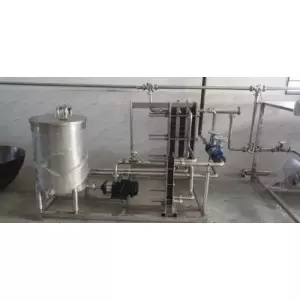
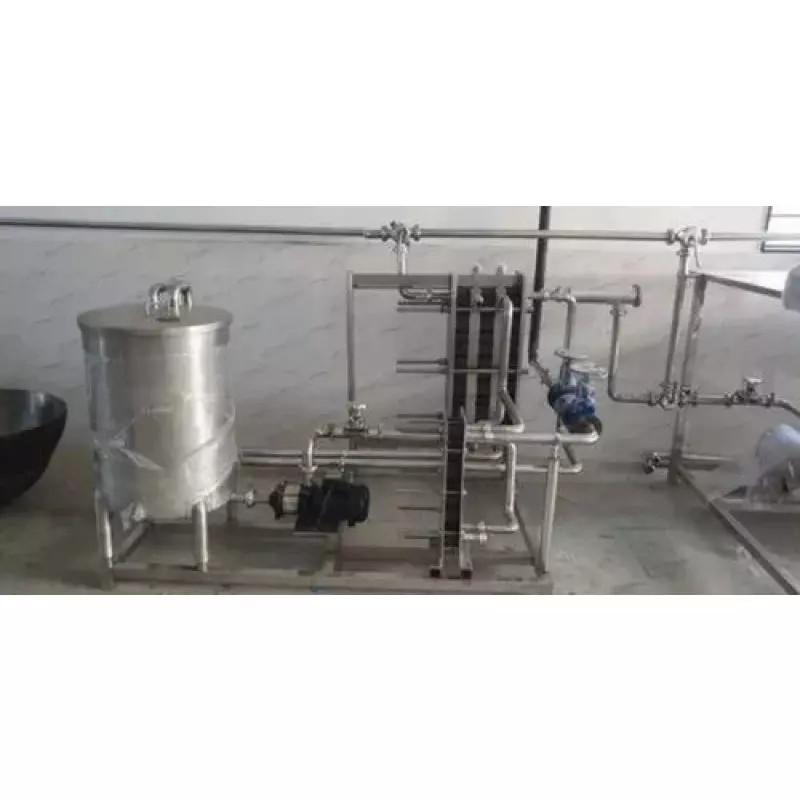
Details of Paneer Processing Plant
Batch size matters. We manufacture paneer processing plants for buyers in Satna, with equipment selected around the milk quantity, working hours and the way each batch is handled. A small unit may need a different layout from a plant running several batches in a shift. We discuss the process before fixing the equipment list. Capacity alone isn't enough.
Planning the Process
Milk comes first. We plan the plant around heating, coagulation, draining and pressing, while keeping space for the people who will move curd between stages. The amount of milk handled in one batch affects the size of each vessel and the time needed for pressing (the press can hold up the next batch). We also check whether the buyer needs a complete line or selected equipment for an existing setup. Each plant has different limits.
Space needs checking. Before a layout is agreed, we ask for the available floor area, door sizes and the planned path for milk and finished paneer. Water supply, drainage and access to heat also affect where equipment can be placed. A vessel may fit on paper, yet leave too little room for cleaning or for an operator to work beside it. Leave room to work.
Warranty Terms
Terms need clarity. We discuss warranty coverage with the equipment quotation, including the parts covered and the conditions that apply. Buyers should check the written terms before placing an order. Keep the details in writing.
As stated in the agreed quotation or order documents.
Contact us with the equipment details and the issue for review under the agreed terms.
How We Check Equipment
Clean surfaces matter. We use stainless steel and select materials for contact with milk and curd, with attention to joints and areas that operators need to clean after a batch. Our team checks fabrication and tests equipment before dispatch, based on the design and the work it will perform. The right finish helps, but the cleaning routine still matters.
Pressing needs attention. We review how curd will be filled, pressed and removed, since handling differs between a small batch and a larger shift. The press size and the space around it need to suit the planned output (and the staff available on the floor). We discuss these points during design rather than relying on a single capacity figure. The full batch needs a path.
See What We Can Build
Share your plan. If you're planning a paneer processing plant in Satna, tell us your milk quantity per day, expected batch size and the equipment you already have. We can discuss a suitable scope, along with project planning, installation and operator training. A floor drawing and utility details will help us review the layout. We'll take it from there.
Offered Product

Paneer Processing Plant
Production Capacity200 KgTank Capacity200 LitresMotor Power5 HPAutomation GradeSemi-AutomaticEquipment TypePaneer RefrigeratorElectricity ConnectionThree PhaseMachine Body MaterialStainless SteelEstablished In 2023, "Rohit Dairy Machinery" Is A Prominent Manufacturer Of Milk Processing Plants, Milk Storage Tanks, Cream Separators, And More. As A Proprietor Firm, We Have Swiftly Emerged As Leaders In The Industry, Catering To The Diverse Needs Of Dairy Operations. Our Wide Range Of High-quality P... Read morePaneer Processing Plant Supplier In Ambedkarnagar
Invest In Excellence With A Paneer Processing Plant Supplier Serving Ambedkarnagar Who Understands Your Needs And Delivers Equipment That Helps Grow Your Dairy Business. Our Paneer Processing Plants Are Designed For Smooth Operation, Meeting The Demands Of Small To Medium-scale Production Without Unnecessary Complexity. They Handle Milk Pasteurization, Coagulation, Pressing, And Packaging Stages Efficiently To Keep Product Quality High.Then There's The Matter Of Keeping Things Clean And Safe. We Continue
Paneer Processing Plant Manufacturer In Vellore

Our Facility In Ahmedabad, Gujarat, India Makes Paneer Processing Plants That Last Long And Work Well For Daily Use. We Design And Build Systems To Handle Every Step From Milk Intake To Final Paneer Packaging, Focused On Keeping The Process Clean And Efficient.Paneer Plants Need More Than Just Machines. They Must Match The Scale Of Your Dairy Operation While Keeping Product Quality High. Our Designs Aim To Cut Down Manual Handling And Speed Up Production Without Losing Control Over Texture Or Ta Continue
Paneer Processing Plant Manufacturer In Bardhaman

Producing Paneer Processing Plants In Bardhaman Demands Strict Checks On Safety, Quality, And Output. We Keep These Key Factors Tight To Make Sure Every Unit Meets The Required Standards Without Fail. It’s Not Just About Making A Machine; It’s About Delivering Equipment That Performs Well Day After Day Under Real Working Conditions.The Materials We Use Matter Most Here. High-grade Stainless Steel Parts Form The Base Of Each System We Build Because They Stand Up Better Against Corrosion And H Continue